
Find Property Records in Rich County
Rich County property records are maintained by the County Recorder in Randolph, Utah. Deeds, liens, easements, and other recorded documents tied to land in Rich County are filed at this office. Whether you are searching for ownership history, a current lien, or a recorded plat, this guide covers the key offices and tools available for Rich County property records research.
Rich County Quick Facts
Rich County Recorder's Office
The Rich County Recorder is the primary office for property records in the county. All documents that affect title to real property must be recorded here to give legal notice to the public. This includes warranty deeds, quitclaim deeds, trust deeds, mortgages, releases, and recorded subdivision plats. The Recorder indexes documents so that future searches can find them by party name or parcel number.
The office is located at P.O. Box 322, Randolph, UT 84064. You can reach the Recorder by phone at (435) 793-2005. Rich County is a small rural county, so calling ahead to confirm hours before visiting is always a good idea. Staff can often help with ownership and recording questions over the phone for straightforward requests.
| Office |
Rich County Recorder P.O. Box 322 Randolph, UT 84064 Phone: (435) 793-2005 |
|---|---|
| Website | richcountyut.org/recorder |
Note: The Rich County Recorder website may be temporarily unavailable. Call the office at (435) 793-2005 to confirm access and hours before making the trip to Randolph.
Online Access to Rich County Property Records
For a quick online look at Rich County parcel data, the Utah State Tax Commission's property values portal at propertyvalues.utah.gov covers all 29 Utah counties. You can search by owner name, address, or parcel number to find current ownership and assessed value without contacting the county directly.
The Rich County Assessor's online resources, available through richcountyut.org/assessor, also provide parcel-level data. Parcel numbers assigned by the Assessor link directly to recorded documents at the Recorder's office, so having the parcel number before you search the Recorder's index speeds things up.
Rich County Assessor
The Rich County Assessor values all taxable property in the county each year. These valuations are the basis for property tax bills. The Assessor maintains ownership records, parcel maps, and property characteristics such as acreage, structure type, and year built. These records are separate from recorded documents but complement them well when you are researching a specific parcel in Rich County.
When you need to look up an address to find the associated parcel number, or you want to see the current assessed value before buying or contesting a tax bill, the Assessor is your first call. Contact the office through richcountyut.org/assessor or by calling the main county number and asking for the Assessor's office.
Property Tax Records in Rich County
Rich County property tax records show what is owed, what has been paid, and whether any parcels have delinquent balances. The County Treasurer handles collections and maintains these records. If you are researching a property in Rich County before purchase, checking for unpaid taxes is an important step. Unpaid property taxes become a lien on the land and can follow the property to a new owner if not cleared at closing.
The Utah State Tax Commission at tax.utah.gov also publishes statewide property tax guidance and county-level data. This is a useful resource for understanding how Rich County property taxes are assessed and appealed under state law.
The Tax Commission portal at tax.utah.gov covers Utah property tax law and county data.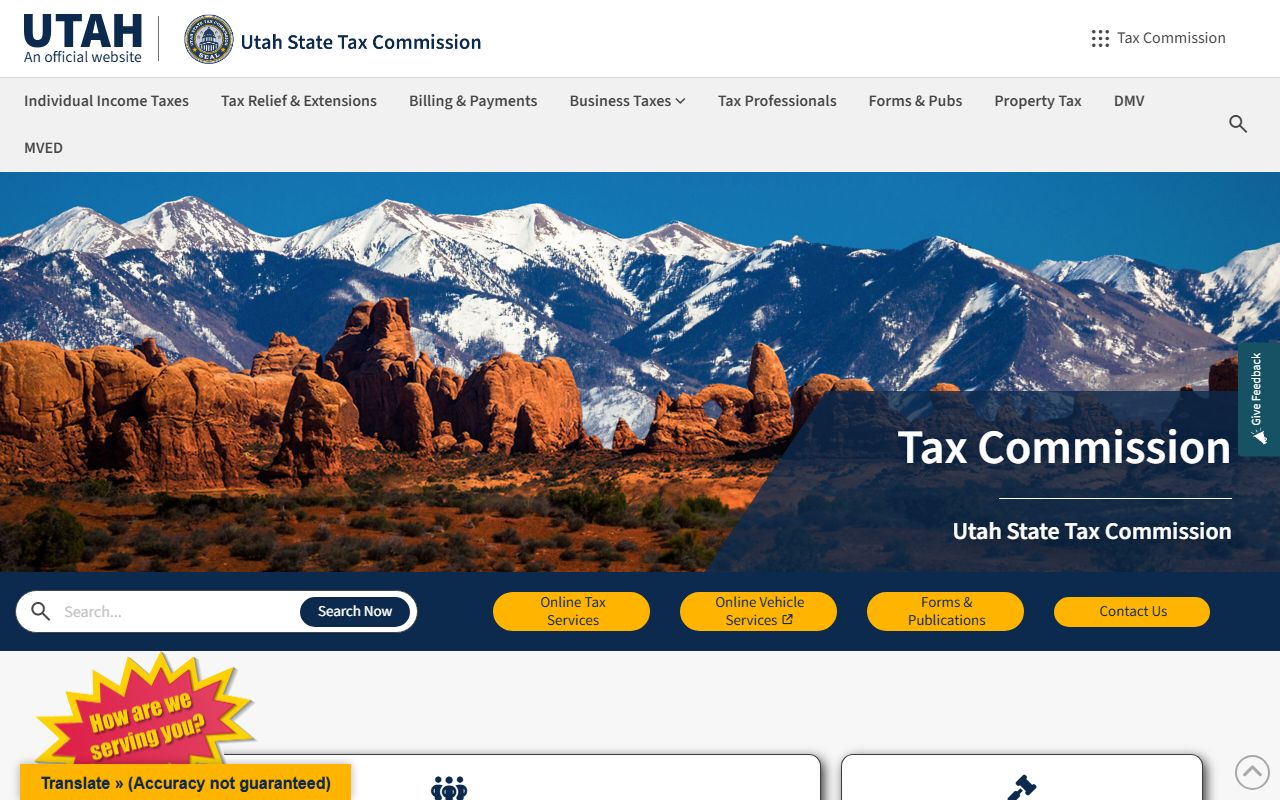 Use this portal to review statewide rules on property valuation and tax appeals that apply to Rich County parcels.
Historical Rich County Property Records
The Utah Division of Archives holds historical records for Rich County that predate or supplement the modern Recorder's index. Early property transfers, homestead claims, and plat maps from the late 1800s and early 1900s can be found through the Archives. These records matter for chain of title research on older parcels in Rich County where ownership history spans more than a century.
The Utah Division of Archives at archives.utah.gov holds records from all Utah counties including Rich.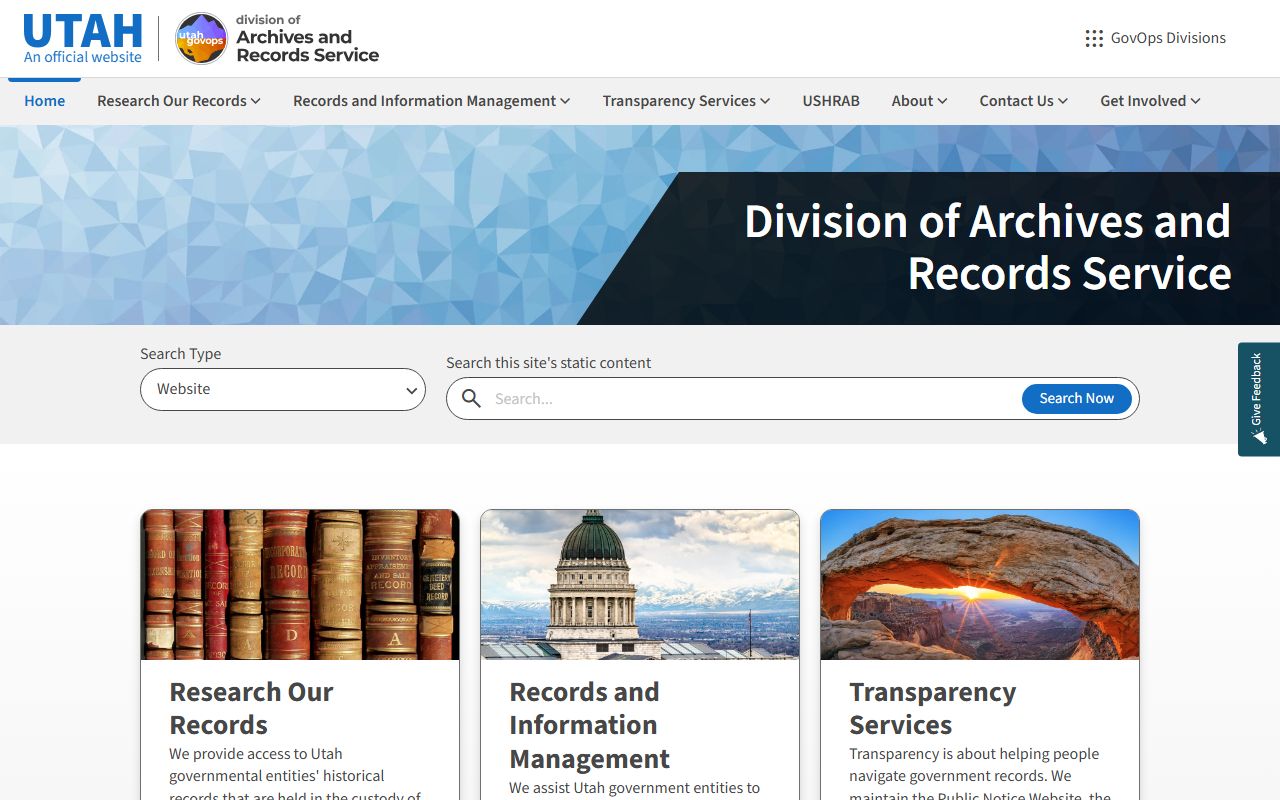 Researchers can submit requests to the Archives for Rich County documents that are not available through the county Recorder's modern index.
Note: For federal land patents issued in Rich County from the 1800s through early statehood, the BLM General Land Office Records at glorecords.blm.gov is a free resource worth checking during early chain of title research.
Property Recording Laws in Utah
Utah uses a race-notice recording system governed by Utah Code § 57-3-103. Under this system, the first person to record a valid document wins a priority dispute over an earlier unrecorded claim, provided they took the property without knowledge of that prior claim. For buyers and lenders in Rich County, this makes prompt recording a critical step after any transaction closes.
Recording a document with the Rich County Recorder gives constructive notice to the public under Utah Code § 57-3-101. Once recorded, future buyers and lenders are treated as having seen the document, even if they never searched. This is the basis for why title companies search the Recorder's index before closing any property deal in Rich County. Full recording procedures are governed by Title 57 of the Utah Code and the county Recorder's duties under Title 17, Chapter 21.
Public Access Under GRAMA
Utah's Government Records Access and Management Act, Utah Code § 63G-2, gives the public the right to inspect and copy government records including property records held by the Rich County Recorder and Assessor. Most property records are classified as public records. You do not need to state a reason when requesting them. The right to free inspection means you can view records at the counter without paying for copies, though copying fees apply if you want duplicates.
GRAMA requires the county to respond to records requests within 10 business days. If the request is complex, the office can notify you and take additional time. Denials must be in writing with the specific legal reason cited. Most property record requests in Rich County are straightforward and will be fulfilled without issue. If you are denied, you can appeal to the county's chief administrator and then to the State Records Committee.
The Utah Division of Archives at archives.utah.gov also provides guidance on GRAMA rights and can help if you have trouble getting records from a county office.
GIS Maps for Rich County
The Utah Geographic Information Council at gis.utah.gov provides statewide parcel mapping including Rich County. These interactive maps show parcel boundaries and land use data for Rich County and can help you locate a specific parcel before requesting official records from the Recorder.
GIS maps are a useful research tool but are not legally authoritative. Always confirm boundaries and ownership through the recorded deed and the official Assessor parcel data for Rich County. Maps can be slightly out of date when recent sales or subdivisions have not yet been updated in the state system.
Towns in Rich County
Rich County has a small population spread across several rural communities. The county seat is Randolph. Other communities in the county include Laketown, Garden City, and Woodruff. None of these communities meet the population threshold for a dedicated city records page. All property records for Rich County are filed with the County Recorder in Randolph.
Nearby Counties
Rich County borders Box Elder, Cache, Morgan, and Summit counties. If a parcel is near a county line, confirm the county by checking the legal description or parcel number before requesting records.